
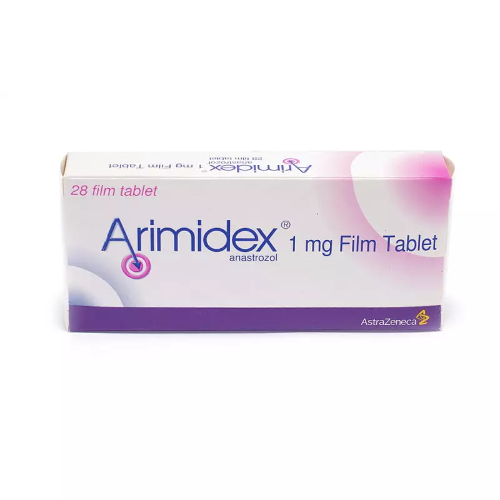

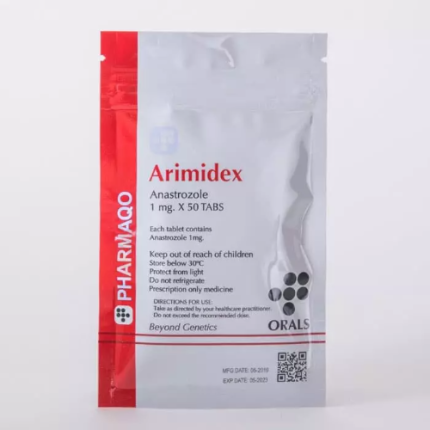
Arimidex AstraZeneca 1mg, 28tab (INT)
$86.00
Brand: AstraZeneca
Raw material: Anastrozole
Package: 1mg tab, 28 tabs in box
Stock: International
What Researchers Study About Aromatase Inhibitors
Arimidex AstraZeneca Aromatase inhibitors are molecules designed to reduce the conversion of androgens into estrogens. Scientists study them to understand:
-
Estrogen production cycles
-
Hormonal balance
-
Metabolic enzyme interactions
-
Receptor binding characteristics
-
Potential anti-estrogenic mechanisms
Understanding these factors helps researchers observe how structural and functional properties differ between various synthetic inhibitors.
Background & Scientific Context
Substances similar to Arimidex Beligas first appeared in scientific literature during the 1990s, when researchers searched for ways to influence estrogen synthesis pathways. The compound quickly became a subject of academic interest because its mechanism targeted the aromatase enzyme directly, unlike earlier molecules that affected hormone pathways more indirectly.
Researchers continue to investigate how these inhibitors behave under different experimental conditions. Studies often focus on:
-
Enzyme-binding strength
-
Metabolic breakdown
-
Half-life comparisons
-
Reversibility of inhibition
-
Structural modifications
By analyzing these properties, scientists gain a better understanding of how aromatase inhibitors influence biochemical processes.
Compound Characteristics
When laboratories examine compounds like Arimidex Beligas, they often look at several key scientific factors:
1. Mechanism of Action
Aromatase inhibitors typically reduce estrogen formation by blocking the aromatase enzyme. In laboratory conditions, researchers monitor:
-
Binding affinity
-
Suppression strength
-
Duration of inhibitory activity
-
Metabolic response patterns
2. Molecular Stability
Understanding a compound’s stability helps researchers predict its behavior in controlled experiments. Stability testing often includes:
-
Heat exposure
-
Oxidation resistance
-
Light degradation responses
-
pH sensitivity
These tests ensure that results remain reliable and consistent.
3. Absorption and Distribution
Laboratories sometimes simulate or model how the compound dissolves, distributes, or breaks down. Analytical processes may include:
-
Dissolution studies
-
Solubility evaluations
-
Carrier-medium compatibility
These characteristics help define how synthetic inhibitors behave in experimental modes.
Laboratory Handling & Safety Guidelines
Working with aromatase-inhibiting compounds requires strict safety procedures. Even when used solely for controlled research, laboratories follow regulated handling methods to ensure safety and data accuracy.
1. Personal Protective Equipment
Researchers typically use:
-
Gloves
-
Eye protection
-
Lab coats
-
Mask when handling powders
This prevents accidental contamination and ensures clean sample handling.
2. Controlled Storage
Scientists store compounds in:
-
Dry environments
-
Light-protected containers
-
Temperature-stable conditions
These factors prevent degradation and preserve molecular integrity.
3. Documentation Requirements
Every sample is cataloged with:
-
Origin
-
Batch number
-
Weight
-
Analysis date
Accurate documentation maintains scientific validity and traceability.
4. Disposal Standards
Aromatase inhibitors require approved disposal methods to avoid chemical contamination. Laboratories use certified waste-management systems that comply with environmental regulations.
Why Researchers Analyze Aromatase Inhibitors
There are several reasons why compounds like Arimidex Beligas appear in scientific and academic research:
1. Hormone-Related Studies
These compounds help researchers understand estrogenic pathways, which are crucial for many biological processes.
2. Anti-Estrogenic Comparisons
Scientists often compare aromatase inhibitors with other anti-estrogenic compounds to measure:
-
Potency
-
Binding capability
-
Metabolite formation
-
Reversibility
These comparisons help map out differences between families of inhibitors.
3. Pharmacological Modelling
Pharmacologists and biochemists use models to evaluate:
-
Predicted absorption
-
Estimated half-life
-
Breakdown timelines
-
Residual metabolites
These models support academic exploration, not medical application.
4. Forensic and Anti-Doping Research
Aromatase inhibitors are relevant in sports-related toxicology research because they may appear in some investigative cases. Analysts build detection methods, metabolite references, and identification thresholds.
Quality-Control Requirements
Scientific research demands purity and consistency. Quality-control measures often include:
1. HPLC Testing
Used to confirm compound identity and detect impurities.
2. Spectroscopy Analysis
Methods such as FTIR or UV spectroscopy help confirm structural accuracy.
3. Mass Spectrometry (MS)
MS allows researchers to analyze fragmentation patterns and verify molecular composition.
4. Batch-to-Batch Comparison
Consistency ensures that experimental results remain stable across multiple test cycles.
Legal Considerations & Compliance
Compounds of this category are controlled in many regions. Researchers handling aromatase inhibitors must comply with:
-
Local regulations
-
Licensing requirements
-
Institutional approval
-
Documented research purpose
Unauthorized use outside regulated environments is prohibited.
Conclusion
Aromatase inhibitors remain a significant area of interest within biochemical and forensic research. The scientific examination of Arimidex Beligas allows laboratories to explore aromatase suppression mechanisms, metabolic behavior, and analytical detection methods in a strictly regulated environment. Through proper safety measures, quality-control standards, and clear documentation, researchers can develop accurate and responsible data that contributes to the wider understanding of hormone-related biochemistry.
| Brand |
AstraZeneca |
|---|---|
| SHIPPING LOCATIONS |
INTERNATIONAL SHIPPING |





Reviews
There are no reviews yet.